
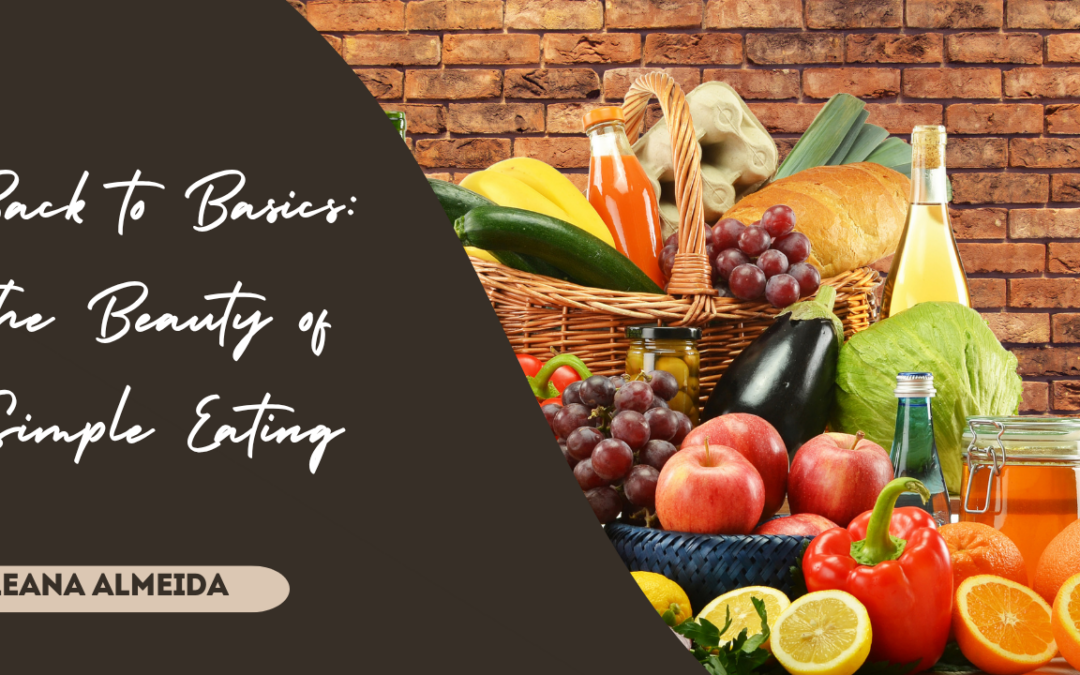
Healthy eating does not always require complicated recipes, specialty products, or a long list of rules. Sometimes, the most sustainable approach is to return to the basics: fresh ingredients, simple preparation, and foods you can recognize without needing to decipher a long label.
In a world filled with increasingly elaborate food choices, there is something refreshing about keeping meals simple.
Start With Ingredients You Know
A simple approach to eating begins with becoming familiar with what goes into your food. Fresh vegetables, fruits, whole grains, beans, eggs, nuts, seeds, and other minimally processed foods can form the foundation of everyday meals.
The idea isn’t to eliminate every packaged food or make every meal from scratch. Rather, it is about making recognizable, straightforward ingredients a regular part of your routine.
When you know what you’re working with, creating a meal can become much less complicated.
Let Food Speak for Itself
Simple cooking can bring out the natural qualities of ingredients. Fresh vegetables roasted with a little seasoning, fruit enjoyed as it is, or grains paired with herbs and vegetables can create satisfying meals without requiring elaborate sauces or complicated preparation.
Sometimes, less really is more.
Using fewer ingredients can also make cooking feel more approachable. You don’t need an extensive pantry or hours in the kitchen to put together something nourishing and enjoyable.
Keep Your Pantry Practical
A healthy kitchen doesn’t need to be filled with every trending ingredient. A handful of versatile basics can go a long way.
Think about ingredients that can work across different meals: grains, beans, vegetables, fruits, nuts, seeds, herbs, spices, and simple cooking staples.
Having these foods readily available can make it easier to prepare something at home, especially on busy days when convenience matters.
Choose Simplicity Over Perfection
Eating simply does not mean eating perfectly. There will always be meals that are spontaneous, celebratory, convenient, or simply chosen because they sound good.
A balanced approach leaves room for all of them.
Instead of worrying about whether every meal meets an ideal standard, consider the overall pattern of your eating habits. A few simple choices repeated consistently can be more meaningful than an elaborate plan that is difficult to maintain.
Finding Comfort in the Basics
There is something comforting about food that feels familiar. A bowl of seasonal vegetables, a simple grain dish, fresh fruit, or a home-cooked meal can remind us that eating well does not have to be complicated.
Going back to basics is ultimately about making food feel approachable again. Choose ingredients you recognize, prepare them in ways you enjoy, and allow meals to be part of a lifestyle that feels sustainable rather than restrictive.
Sometimes, feeling good within starts with something remarkably simple: real food, prepared with care, and enjoyed without unnecessary complication.