
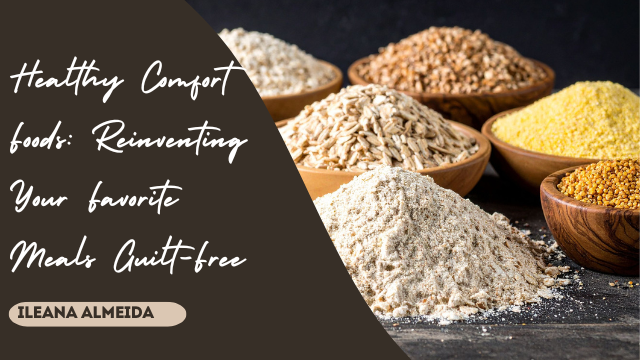
Comfort food has a special place in our lives. It brings warmth, nostalgia, and a sense of ease after a long or stressful day. Whether it’s a creamy pasta, a hearty casserole, or a sweet dessert, these meals often carry emotional connections that make them hard to resist. However, traditional comfort foods are often high in calories, sugar, and unhealthy fats. The good news is that you don’t have to give them up to maintain a healthier lifestyle—you just need to reinvent them.
Rethinking Ingredients Without Losing Flavor
The secret to healthier comfort food lies in smart ingredient swaps. Instead of removing the essence of a dish, the goal is to maintain its flavor while improving its nutritional value. For example, whole grains like brown rice, quinoa, or whole wheat pasta can replace refined carbohydrates without sacrificing texture or satisfaction. These options provide more fiber, helping you feel fuller for longer.
Dairy-heavy recipes can also be lightened up with simple substitutions. Greek yogurt, for instance, can replace sour cream or heavy cream in many dishes, offering the same creamy consistency with added protein and less fat. Similarly, using plant-based milk or reduced-fat cheese can cut down on calories while still delivering that comforting richness.
When it comes to cooking methods, small adjustments make a big difference. Baking, grilling, or air-frying instead of deep-frying can significantly reduce oil content without compromising taste. Adding herbs, spices, and natural seasonings enhances flavor, allowing you to rely less on excess salt or butter.
Balancing Nutrition and Satisfaction
One of the biggest misconceptions about healthy eating is that it requires sacrificing satisfaction. In reality, a well-balanced comfort meal can be just as filling and enjoyable as its traditional counterpart. The key is to include a balance of protein, healthy fats, and complex carbohydrates.
For example, a classic comfort dish like mac and cheese can be transformed by incorporating vegetables such as broccoli, spinach, or butternut squash. These additions not only boost nutrients but also add natural flavor and texture. Lean proteins like chicken, turkey, beans, or lentils can make meals more satisfying and help stabilize energy levels.
Portion awareness also plays an important role. You don’t need to eliminate your favorite dishes—simply enjoying them in moderate portions alongside nutrient-dense sides can create a more balanced plate. Pairing comfort foods with fresh salads or roasted vegetables helps round out the meal while keeping it wholesome.
Healthy comfort eating is not about restriction; it’s about making thoughtful choices that allow you to enjoy your meals without feeling weighed down afterward.
Creating a Sustainable and Enjoyable Approach
Reinventing comfort food is not a one-time effort—it’s a sustainable approach to eating that fits into your lifestyle. The goal is to create meals that you genuinely enjoy while supporting your overall well-being. This means experimenting in the kitchen, trying new ingredients, and finding healthier versions of your personal favorites.
Planning ahead can make this process easier. Having wholesome ingredients on hand allows you to prepare quick, nourishing meals instead of relying on less healthy options when time is limited. Simple recipes with minimal preparation can still deliver the comfort and flavor you crave.
It’s also important to embrace flexibility. There will always be moments when you choose the traditional version of a dish, and that’s perfectly fine. Healthy eating is about consistency over time, not perfection in every meal. By making small, mindful changes most of the time, you can enjoy both indulgence and balance.
Ultimately, food is meant to be enjoyed. Comfort meals should bring happiness, not guilt. By reinventing your favorite dishes with better ingredients and mindful preparation, you can create a way of eating that feels both nourishing and satisfying.
Healthy comfort foods prove that you don’t have to choose between flavor and well-being. With a little creativity and intention, your favorite meals can become part of a balanced lifestyle—offering all the warmth and joy you love, without the extra guilt.